
RESIN OR FILAMENT: WHICH MATERIAL WE CHOOSE FOR EACH 3D FIGURE AND WHY
When you ask us for a personalised figure, the first thing we do at Droyz Toys isn't switch on the printer: it's decide which material we'll use to bring it to life. Resin or filament. It sounds like a technical detail, but it makes the difference between a figure people fall in love with and one that falls short.
In this article we open up the workshop and tell you how we choose the material for each piece, what each option gains and loses, and why we sometimes use both in the same figure. No impenetrable jargon: just what really matters for your figure to look spectacular.
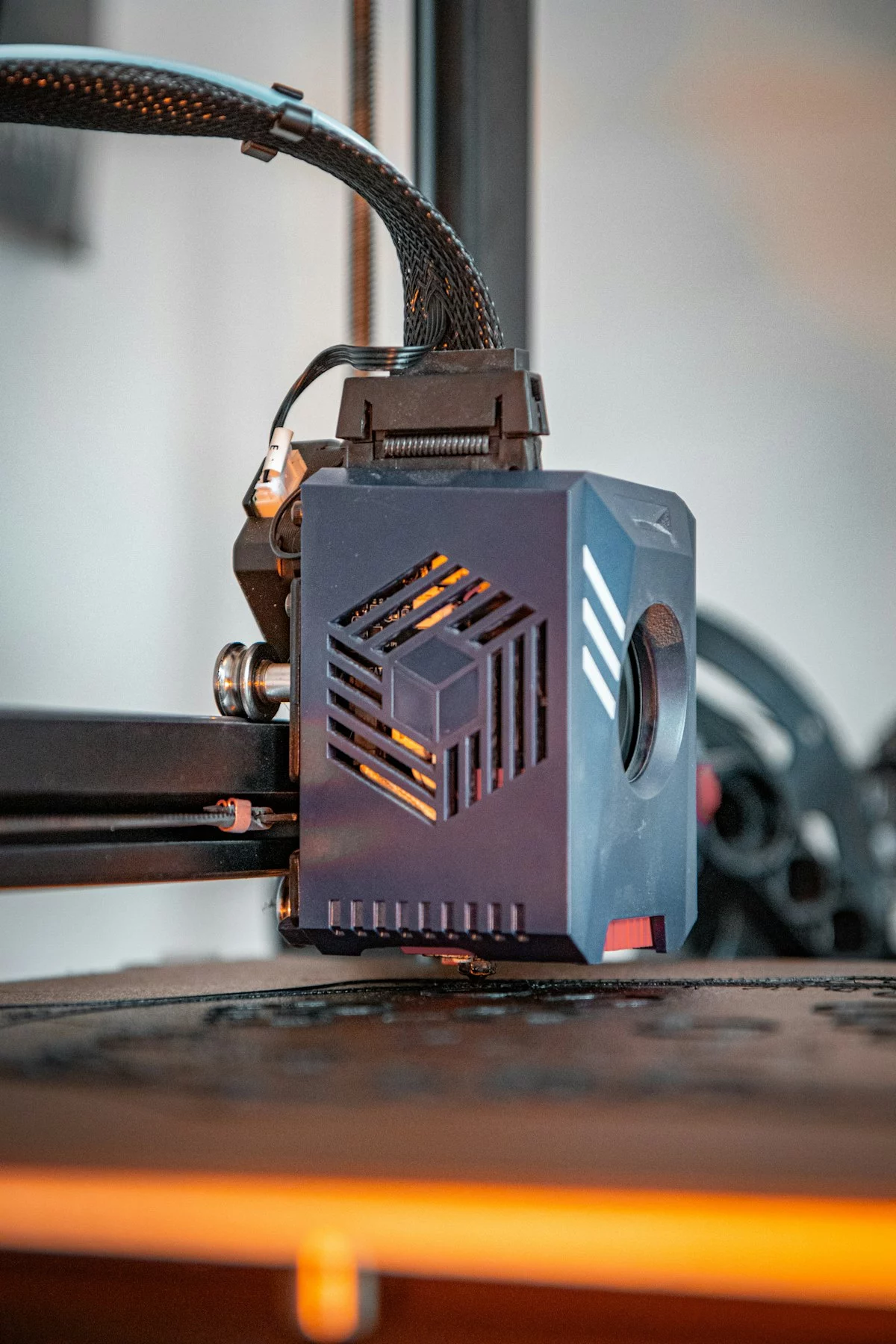
🧪 Resin and filament: two paths, one goal
The filament (usually PLA or PETG) works like an ultra-precise glue gun: a strand of plastic is melted and laid down layer by layer. It's strong, light, takes knocks and is ideal for large pieces, wide bases and structures that have to bear weight.
The resin plays in another league. There's no strand here: there's a liquid that hardens under ultraviolet light, layer by layer, with a fineness filament can't match. It's the option when we want to capture a pair of glasses, the folds of a jacket, a pet's fur or the exact expression on a face.
Neither is better than the other in absolute terms: they're different tools. What we do is read your figure before printing it and ask what each part needs.
🔍 Microns, layers and detail: why it shows so much
Layer height is the measurement that everything hinges on. With filament we work in tenths of a millimetre; with resin we go down to a few hundredths. In plain terms: with resin the layers practically disappear to the eye, and small features —a logo on a T-shirt, a ring, a seam— survive printing instead of turning into a fuzzy bump.
That comes at a price in time. A head at maximum resolution can take hours longer than the same piece at standard quality, and every extra layer is one more chance for something to go wrong. That's why we don't print everything at maximum: we save it for where the eye goes first, which is almost always the face and hands.
Then comes what nobody sees: washing, UV curing, removing supports and gently sanding the contact points. A figure that comes out of the printer looking good isn't finished yet; it's only halfway there.
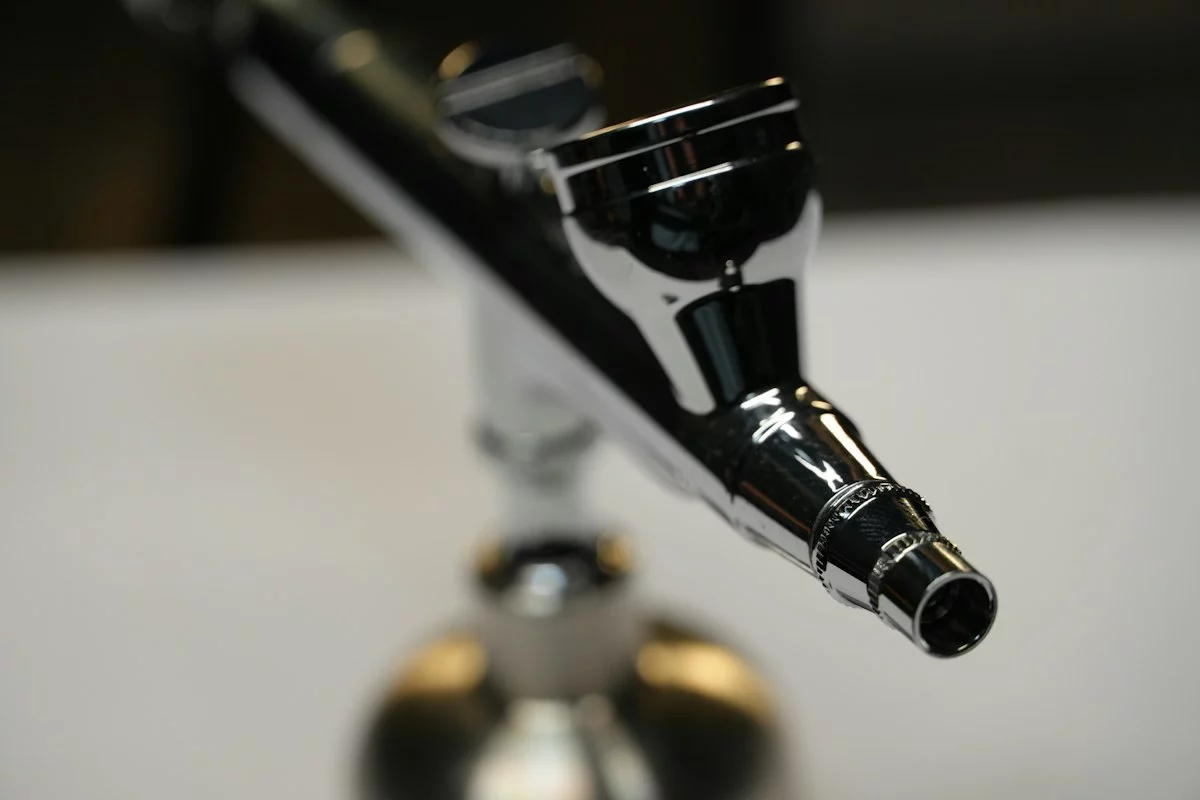
🎨 From grey to colour: priming, painting and finishes
Pieces come out of the printer in a flat, unflattering colour. The first real step of the finish is priming: a thin, even coat that levels the surface, reveals any remaining defects and gives the paint something to grip. Skip it and the colour chips off at the first touch.
From there, the human hand takes over. Base coats, washes to sink the shadows into the folds, dry brushing to lift the edges and fine details with the tiniest brush tip. It's the slowest stage and also the one that turns a printed object into someone recognisable.
We finish with a protective varnish, matt or satin depending on the piece, which seals the paint and stops daily use from wearing it away. It's the equivalent of framing a painting: nobody looks at it, but without it the work doesn't last.
🛒 Look after your figure (and order the next one)
With the right material and a sealed finish, your figure is ready for years on the shelf. We ask just three things of you: keep it out of direct sunlight, away from heat sources such as radiators or the car dashboard, and dust it with a soft brush or air, never with solvents.
And if you want the next one to be yours, we'll handle the technical side: you tell us who you'd like to see as a figure and we decide on resin, filament or just the right mix so it turns out exactly as you imagine.
Drop by the Droyz Toys shop and discover everything we can print for you. Tell us your idea and we'll turn it into something you can hold in your hands.